“Over 400 million people worldwide own cryptocurrency—and that number keeps growing.”
Welcome to the digital revolution! If you’re wondering how to buy cryptocurrency, you’re not alone. The process might seem confusing at first, with terms like “blockchain,” “wallets,” and “exchanges” flying around.
But here’s the good news: it’s easier than you think! Whether you’re eyeing Bitcoin, Ethereum, or Telcoin, this guide walks you through every essential step—from choosing a platform to safely storing your digital assets. Let’s demystify crypto and help you make your first smart investment!
Choosing the Right Crypto Exchange or Broker
Before you can invest in Bitcoin or any other digital asset, you’ll need a crypto trading platform that supports buying, selling, and storing crypto. That means choosing between a cryptocurrency exchange or a broker—and the difference matters.
What Is a Cryptocurrency Exchange?
These platforms allow you to buy, sell, and trade digital currencies. Popular cryptocurrency exchanges include:
- Coinbase – User-friendly, ideal for beginners
- Binance – Advanced features and lower fees
- Gemini – Strong security features
- Telcoin App – Offers token swaps and mobile transfers
For those new to crypto, it’s important to choose an exchange that supports fiat currency deposits, such as U.S. dollars. Some exchanges are crypto-only, meaning you’ll need to already own another cryptocurrency to begin trading, which can be a barrier for first-time users.
Exchanges typically offer more control, better pricing, and the ability to move your crypto to external wallets.
What Is a Cryptocurrency Broker?
A cryptocurrency broker makes it easier for users to buy and sell cryptocurrencies by offering a user-friendly interface and handling trades on your behalf. These platforms are ideal for beginners who want a simple and fast way to invest in crypto without dealing with complex trading tools.
Brokers offer a simplified interface and handle the trade on your behalf. Examples include:
- Robinhood
- SoFi
- Gemini
Additionally, some brokers may limit your ability to withdraw crypto to an external wallet, which could be a drawback for more advanced users who value greater control and security over their digital assets.
Key takeaway:
Choose a crypto exchange if you want access to more tools and lower fees, or go with a crypto broker for convenience and ease of use—just be aware of fees and withdrawal restrictions.
Step 2 – Create and Verify Your Account
After selecting your platform, you’ll need to:
- Sign up using your email address.
- Verify your identity by submitting a government-issued ID (passport, driver’s license).
- Complete KYC (Know Your Customer) requirements to comply with regulations.
Without verification, you won’t be able to fully use the platform or withdraw funds.
Step 3 – Fund Your Account Securely
Now it’s time to deposit money into your account. Most platforms support:
- Bank transfers
- Debit or credit cards
- Wire transfers
- PayPal (on selected exchanges)
💡 Be careful using credit cards—your bank might treat it as a cash advance, which can carry high interest and fees.
Some platforms impose deposit fees, so always review fee structures before funding your account.
Step 4 – Place Your First Cryptocurrency Order
With funds in your account, you’re ready to buy crypto.
Steps to Buy:
- Choose your coin (e.g., Bitcoin, Ethereum, Telcoin)
- Enter the amount in dollars or crypto units
- Review transaction details and confirm your purchase
Most platforms allow fractional purchases, so you don’t need to buy a whole Bitcoin—just $10 is enough to get started.
You can also swap coins directly (like ETH to Telcoin) on platforms like the Binance.
Step 5 – Choose a Safe Storage Method
Once you own crypto, it’s time to store it securely. Cryptocurrency isn’t insured like money in a bank, and losing access to your account could mean losing your investment.
Storage Options:
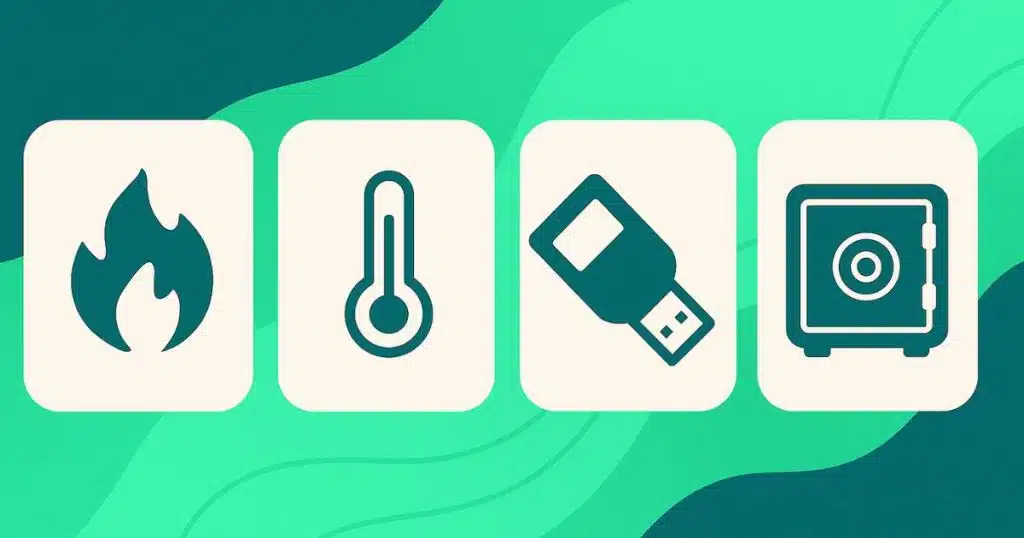
- Leave It on the Exchange
Convenient but riskier if the platform is hacked. - Hot Wallets
These internet-connected apps (like MetaMask) allow easy access but are more vulnerable to hacks. - Cold Wallets
Offline wallets (USB devices like Ledger Nano) are the safest option but require careful management of keys.
Alternative Ways to Gain Crypto Exposure
Don’t want to buy coins directly? Consider:
- Cryptocurrency ETFs – Track baskets of crypto assets
- Blockchain Stocks – Invest in companies like Coinbase or Riot Blockchain
- Crypto Savings Accounts – Earn interest by holding crypto
These are less volatile but may offer slower growth compared to holding actual coins.
Key Tips for First-Time Investors
- Start small – Don’t invest more than you’re willing to lose
- Research each coin before buying
- Stay updated with market trends and news
- Use 2FA (Two-Factor Authentication) for added security
- Track your transactions for tax purposes
Why Should You Invest?
Cryptocurrency for beginners can feel like learning a whole new language—but it doesn’t have to be. At its core, cryptocurrency is a form of digital currency that uses blockchain technology to secure transactions and control the creation of new units. Unlike traditional fiat currencies, cryptocurrencies operate without a central bank or government, offering decentralized financial freedom.
Why People Are Investing in Crypto:
- Decentralization: No government or central bank controls it.
- Accessibility: You can buy, sell, or trade from your phone or computer.
- High potential returns: Coins like Bitcoin and Ethereum have delivered massive growth for early adopters.
- Diversification: Crypto can serve as an alternative asset class in your investment portfolio.
- Access to innovative financial tools: Many investors are drawn to decentralized finance (DeFi), NFTs, and Web3 ecosystems.
- Global accessibility: Anyone with an internet connection can participate—no bank account required.
Risks of Cryptocurrency You Should Know:
- Extreme volatility: Prices can swing wildly in minutes, influenced by news, regulation, or even tweets.
- Security concerns: Without proper storage, your assets are vulnerable to hacking or scams.
- Regulatory uncertainty: Governments are still figuring out how to regulate crypto, which could impact your investments.
Cryptocurrency isn’t a guaranteed win—but for those who understand the risks and rewards, it offers an exciting opportunity to be part of the future of finance.
But with opportunity comes risk. Cryptocurrency prices are highly volatile and can be influenced by anything from market sentiment to a single social media post. Always assess your risk tolerance before investing.
Conclusion
Buying cryptocurrency isn’t just for tech experts—it’s for anyone willing to take the time to learn and invest wisely. By following these five simple steps—choosing the right platform, verifying your identity, funding your account, placing your order, and storing your crypto safely—you’ll be well on your way to becoming a confident crypto investor.
Ready to take your first step? Explore reputable exchanges like Coinbase or download the Telcoin app today and start your crypto journey with confidence.
Disclaimer
The information provided in this article is for educational and informational purposes only and does not constitute financial, investment, or legal advice. Cryptocurrency investing carries significant risk and may not be suitable for all investors. Always conduct your own research and consult with a licensed financial advisor before making any investment decisions. The author and publisher are not responsible for any financial losses or damages that may occur from following the advice or information provided in this content.