Did you know most people lose money in crypto not because prices drop—but because they don’t understand the basics?
I’ve watched people panic-sell solid assets, lose funds to simple security mistakes, or chase hype without knowing what they bought. And almost every time, it could’ve been avoided with a little foundational knowledge.
This guide breaks down the 7 things every new crypto user should know, explained clearly and honestly. No moon talk. No promises. Just practical information you can actually use before putting your money at risk.
What Should New Crypto Users Know About Price Volatility?
When I first started, a 15% drop in a day felt like the end of the world. I refreshed charts constantly, checked my phone at night, and made decisions I shouldn’t have made. That reaction is common, especially for new crypto users who aren’t used to this level of volatility.
Cryptocurrency markets are far more volatile than traditional markets because they’re still young. Fewer regulations, 24/7 trading, global participation, and heavy speculation all contribute to dramatic price changes. A coin can rise 20% on a rumor and drop 25% on bad news before lunch.
What matters is understanding that volatility doesn’t automatically mean danger. It means risk must be managed differently.
Here’s what new users should know:
- Volatility cuts both ways—big gains and big losses
- Emotional trading often leads to buying high and selling low
- Long-term holders experience volatility differently from short-term traders
- Market cycles repeat, even if headlines change
A big mistake beginners make is tying emotions to price movement. When prices go up, confidence spikes. When prices fall, panic sets in. I’ve been there. It’s exhausting, and it leads to poor decisions.
A better approach is to decide before you invest whether you’re holding for the long term or trading short term. Long-term holders expect volatility and plan for it. Short-term traders use strict rules and accept losses as part of the process.
Volatility isn’t the enemy. Lack of preparation is.
Do You Really Own Crypto If It’s on an Exchange?
No. You only own crypto when you control the private keys.
This is one of the most important lessons for new crypto users, and it’s often learned the hard way. When your crypto sits on an exchange, you don’t technically control it. The exchange does.
Crypto ownership comes down to private keys. Whoever controls the private keys controls the funds. Exchanges use custodial wallets, meaning they hold your crypto on your behalf. That’s convenient, but it comes with risk.
I kept everything on an exchange early on because it felt easier. Then I watched platforms freeze withdrawals, go offline, or collapse entirely. That’s when the phrase “not your keys, not your crypto” stopped sounding dramatic and started sounding accurate.
There are two main wallet types:
- Custodial wallets: Managed by exchanges or platforms
- Non-custodial wallets: You control the private keys
Non-custodial wallets (like hardware wallets or reputable software wallets) give you full control—but also full responsibility. Lose your seed phrase, and there’s no customer support line to call. That part can feel intimidating, but it’s also what makes crypto ownership real.
For beginners, a common path is:
- Buy crypto on a trusted exchange
- Learn how wallets work
- Move long-term holdings to a non-custodial wallet
This balance keeps things manageable while you’re learning.
When I stopped keeping long-term crypto on exchanges, I started using a non-custodial wallet. Software wallets like Trust Wallet or MetaMask are popular among beginners because they’re free and easy to set up.
For larger balances, many users eventually move to the best hardware wallet, like Ledger or Trezor, which stores private keys offline and reduces exposure to online attacks.
What Is the Biggest Security Risk for New Crypto Users?
Human error, not hackers.
This one stings because most losses happen quietly and could’ve been prevented. I’ve seen people lose funds to fake emails, cloned websites, or rushed decisions. No advanced hacking required.
The most common security mistakes include:
- Clicking links from emails or DMs
- Storing seed phrases digitally
- Reusing passwords
- Skipping two-factor authentication
Phishing scams are especially effective because they look real. Same logos. Same wording. Same urgency. I once almost logged into a fake exchange site because the URL looked right at a glance. That pause saved me.
Seed phrases deserve special attention. They should be:
- Written down offline
- Stored securely
- Never shared with anyone
- Never entered on unknown websites
If someone asks for your seed phrase, it’s a scam. Always.
Good security habits aren’t complicated, but they require slowing down. Crypto punishes rushing.
After watching one too many exchange freezes and phishing attempts, I started treating crypto more like long-term savings. That’s when hardware wallets made sense. Devices like Ledger Nano X and Trezor are widely used because private keys never touch the internet.
They aren’t required on day one, but once balances grow, many users consider them a reasonable upgrade for peace of mind.
Are All Cryptocurrencies the Same?
No. Different coins serve different purposes.
Early on, I thought cheaper coins had more upside simply because they cost less. That misunderstanding is common. Price alone tells you very little.
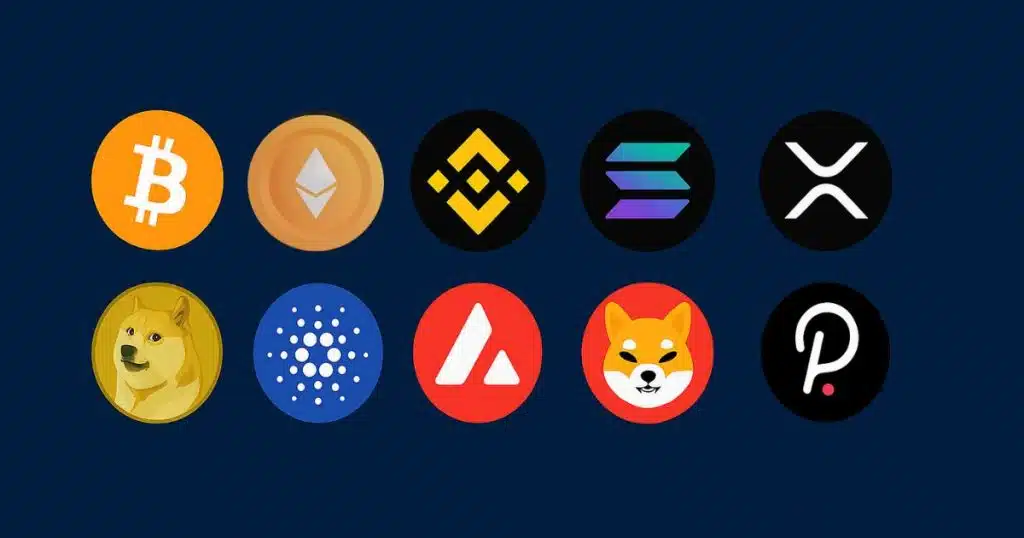
Bitcoin is designed primarily as a store of value. Ethereum supports smart contracts and decentralized applications. Other cryptocurrencies might focus on payments, governance, gaming, or infrastructure.
Understanding use case matters more than hype.
Key things to evaluate:
- What problem does the coin solve?
- Is there real usage?
- Who is building it?
- How is the token actually used?
Meme coins can be fun, but they’re speculative. Utility-based projects tend to survive market cycles better.
New users benefit from learning the basics before branching out. Understanding Bitcoin and Ethereum gives context for everything else.
What Are the Most Common Crypto Scams Beginners Face?
Guaranteed returns, impersonators, and fake giveaways.
Scammers target beginners because beginners haven’t developed skepticism yet. I’ve seen fake support accounts reply within seconds on social media. They’re fast and convincing.
Common scams include:
- Fake influencer giveaways
- Rug pulls after hype builds
- Impersonation of wallets or exchanges
- “Too good to be true” yield promises
A simple rule helps: no legitimate crypto opportunity guarantees profits. Ever.
Before interacting with a project, double-check official sources. Take your time. Scammers rely on urgency.
Why Do Crypto Fees and Taxes Matter So Much?
Because they eat profits quietly.
I ignored fees early on. Big mistake. Small trades with high fees add up fast, especially on certain blockchains.
Things new users should track:
- Network transaction fees
- Exchange trading fees
- Withdrawal fees
- Taxable events
In many regions, selling, trading, or spending crypto triggers taxes. Keeping records early saves headaches later. Even simple spreadsheets help.
Fees and taxes don’t sound exciting, but they separate casual users from informed ones.
Fees also vary by exchange. Beginner-friendly platforms like Coinbase focus on ease of use, while platforms such as Kraken or Binance (where available) offer more advanced tools and often lower trading fees.
The right choice depends on whether you value simplicity or control more at your current stage.
What Is the Best Way for Beginners to Learn Crypto Safely?
Education beats hype every time.
Influencers come and go. Market cycles repeat. Solid education stays useful.
The best learning path I’ve seen:
- Start small
- Read official documentation
- Use reputable wallets and exchanges
- Learn slowly, then expand
Mistakes will happen. That’s normal. What matters is learning from them without risking more than you can afford to lose.
Conclusion
Crypto rewards patience, curiosity, and responsibility. Once you understand these 7 things every new crypto user should know, you’re no longer guessing—you’re participating with intention.
Start slow. Protect your keys. Question bold claims. And keep learning. That mindset matters more than any coin pick ever will.
If you’re just getting started, take your time. Crypto isn’t going anywhere.
Recommended Post: How AI Tools Are Changing Crypto Trading | Smart Trading Explained
Disclaimer: This article is for informational and educational purposes only and should not be considered financial, investment, or legal advice. Cryptocurrency involves risk, and prices can fluctuate significantly. Always do your own research and consider your financial situation before making any investment decisions.
Affiliate Disclosure: Some links in this guide may be affiliate links. If you choose to use them, I may earn a small commission at no extra cost to you. I only mention tools and platforms that are commonly used by beginners and experienced users alike.