Here’s a scary stat: over $3.5 billion worth of crypto got hacked in 2022. That’s wild! It shook me enough to rethink how I was storing my Bitcoin and Ethereum. Leaving coins on an exchange felt like walking around with a wallet full of cash in my back pocket. One slip, and it’s gone.
That’s when I discovered the best hardware wallet for crypto can change everything. Think of it like a bank vault that fits in your hand. A crypto hardware wallet keeps your Bitcoin, Ethereum, NFTs, and even DeFi tokens offline. No hacker can just reach in and drain your coins.
I’ll walk you through the best crypto hardware wallets in 2026. Whether you’re a beginner grabbing your first cold wallet or a serious investor juggling multiple chains, this guide has you covered.
I’ve been in crypto since 2017 and have personally tested wallets like Ledger, Trezor, SafePal, and Keystone to secure my own Bitcoin and Ethereum. My reviews are based on real-world use, not just specs on paper. I keep this guide updated so you get the latest and safest options for protecting your crypto.
Best Hardware Wallets 2026: Comparison Table
| Hardware Wallet | Key Features | Price Range (USD) | Best For |
|---|---|---|---|
| Ledger Nano X | Bluetooth, supports 5,500+ coins, portable | $75 – $169 | Multi-asset investors, everyday use |
| Trezor Model T | Touchscreen, open-source firmware, easy setup | $60 – $239 | Beginners who want security + simplicity |
| SafePal S1 | Budget-friendly, QR code support, offline use | $49 – $69 | New users, low-cost Bitcoin & Ethereum storage |
| Keystone Pro | Air-gapped, fingerprint unlock, QR code only | $169 – $199 | Advanced users with large portfolios |
| Ellipal Titan | Mobile-friendly, military-grade body, NFT & DeFi support | $139 – $169 | Mobile-first investors, NFT & DeFi users |
⚡ Pro tip: Prices vary based on sales or bundles. Always buy directly from official websites to avoid counterfeit wallets.
What Is a Hardware Wallet and Why Do You Need One?
When I first started in crypto, I used a mobile wallet. It was easy but risky. A hardware wallet flipped the script for me.
A hardware wallet is a small device that stores your private keys offline. It’s called a cold wallet for crypto because it never connects directly to the internet. That means hackers can’t touch it.
Hot wallets, like apps or browser extensions, are convenient. But they’re also big targets. A cold wallet gives you control. You hold your keys, and nobody can freeze or drain your coins.
Here’s why I never look back:
- Offline security means no online hacks.
- Works for Bitcoin, Ethereum, and altcoins.
- Easy backup with recovery seed phrases.
- Perfect for long-term storage.
If you care about your money, a crypto hardware wallet is non-negotiable.
Factors to Consider Choosing the Best Hardware Wallet
When I bought my first wallet, I rushed it. Big mistake. I grabbed the cheapest one, and guess what? It didn’t support half my coins. Lesson learned.
Here’s what I check now:
- Security features: Strong PIN, passphrase, or even biometric unlock.
- Supported cryptocurrencies: Bitcoin, Ethereum, NFTs, DeFi tokens, and multi-chain support.
- Ease of use: Simple interface for beginners. Touchscreens help.
- Compatibility: Works with mobile, desktop, and browser wallets.
- Price vs value: Don’t just grab the cheapest. Go for trusted brands like Ledger or Trezor.
Pick a wallet that fits your needs. A beginner might want something affordable, while a pro investor may want advanced features.
Best Hardware Wallets in 2026 (Top Picks)
I’ve tested a lot of Hardware wallets. Here are my favorites this year:
1. Ledger Nano X
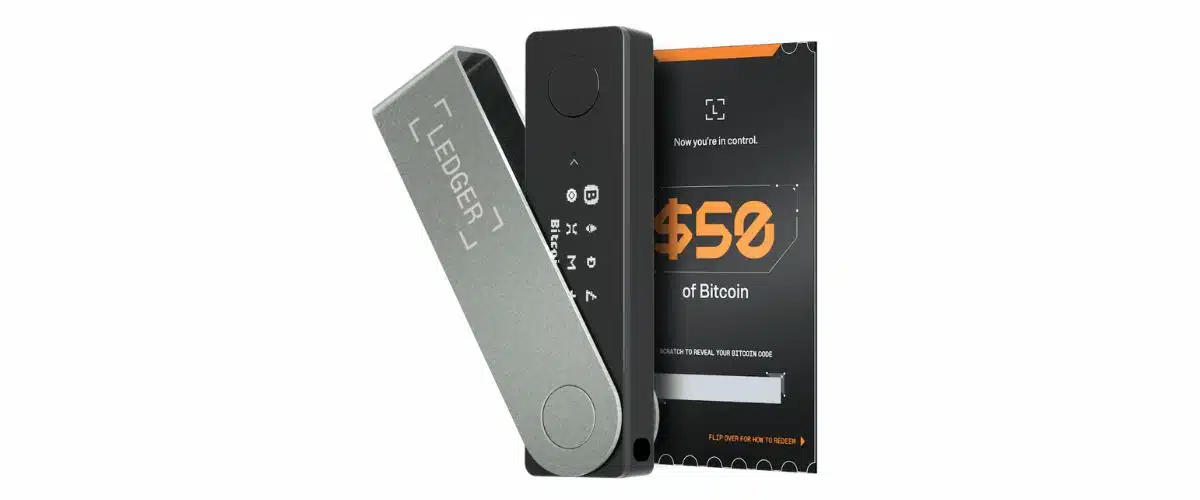
The Ledger Nano X is the flagship crypto hardware wallet designed for both beginners and advanced investors. With built-in Bluetooth® connectivity and support for more than 5,500 coins, tokens, and NFTs, it lets you manage your digital assets on mobile or desktop with ease. Whether you’re holding Bitcoin, Ethereum, or exploring DeFi and NFTs, the Ledger Nano X keeps your assets secure in an offline environment.
Key Features:
- Supports 5,500+ coins and tokens
- Bluetooth connectivity for mobile use
- Compact design with OLED display
- Ledger Live app integration
Pros and Cons
Pros:
- Stores private keys offline for maximum security
- Mobile-friendly with Bluetooth® connection
- Supports thousands of cryptocurrencies and NFTs
- Sleek, portable design with trusted brand reputation
- Easy setup with Ledger Live app
- Works with Windows, macOS, Linux, iOS, and Android.
- Compatible with Ledger Recover service for backup and restoration.
Cons:
- Higher price compared to entry-level models
- Requires Ledger Live for full functionality
Best For: The Ledger Nano X is best for multi-asset investors who want flexibility, mobility, and high-level security. It’s ideal if you manage Bitcoin, Ethereum, altcoins, and NFTs across multiple platforms.
👉 Take full control of your crypto with the Ledger Nano X. Secure, mobile-ready, and trusted by millions of users worldwide — it’s the smartest way to protect your digital assets in 2026.
2. Trezor Model T
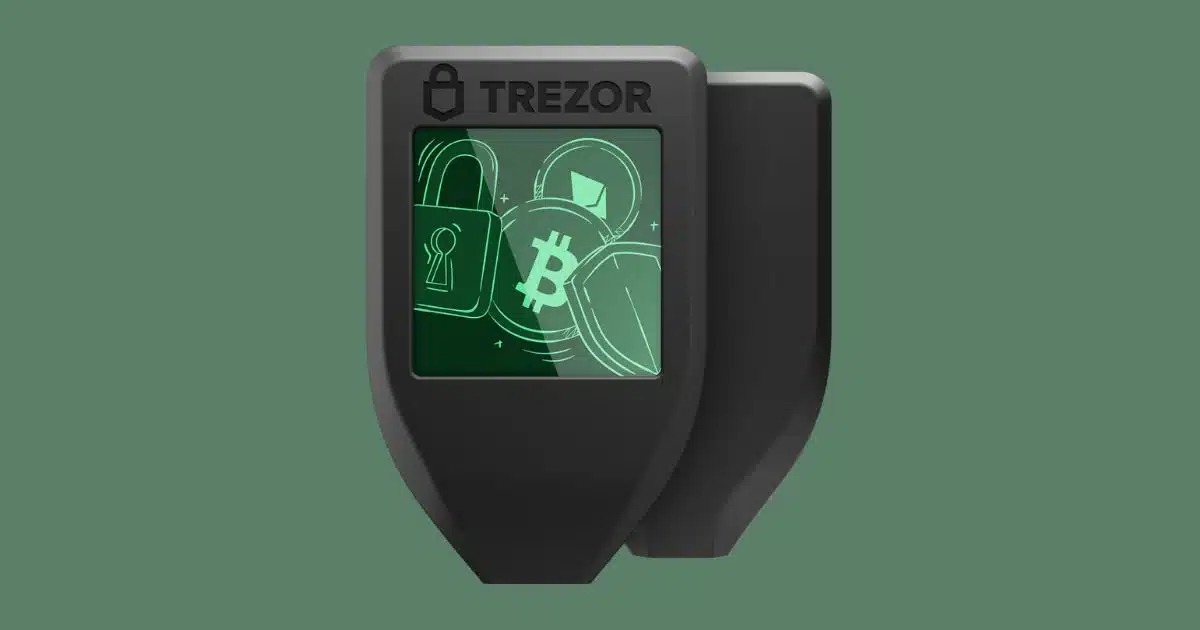
The Trezor Model T is a sleek and secure crypto hardware wallet built with a vivid 1.54″ color touchscreen for smooth navigation. Designed by the pioneers of hardware wallets, it combines strong open-source security, Shamir Backup recovery, and on-device transaction confirmation. With support for thousands of cryptocurrencies, plus extra tools like password management and 2FA authentication, the Trezor Model T offers full control of your digital assets in one compact device.
Key Features
- 1.54″ color LCD touchscreen for easy PIN, passphrase, and transaction confirmations
- Supports 1,000+ coins and tokens, including Bitcoin, Ethereum, and stablecoins
- Connects securely via USB-C and works with the Trezor Suite app
- Shamir Backup (SLIP39) for advanced wallet recovery and extra security
- Open-source firmware and hardware design for transparency
- On-device PIN and passphrase entry for added privacy
- Built-in microSD slot for encrypted storage expansion
- Can also be used as a 2FA device (FIDO2 authentication standard)
- Compatible with Tor for privacy-focused transactions
Pros and Cons
Pros:
- Intuitive touchscreen navigation
- Open-source security for full transparency
- Supports thousands of coins & tokens
- Shamir Backup provides next-level recovery protection
- Doubles as a password manager and authentication device
Cons:
- Pricier than entry-level wallets like Trezor One
- Bulkier design compared to Ledger Nano models
Best For
The Trezor Model T is best for beginners and security-conscious investors who want a wallet that’s both easy to use and highly transparent. The touchscreen makes it simple, while the open-source security gives peace of mind to advanced users.
👉 Protect your crypto and enjoy full control with the Trezor Model T — a trusted hardware wallet that combines style, security, and simplicity in one device.
3. SafePal S1
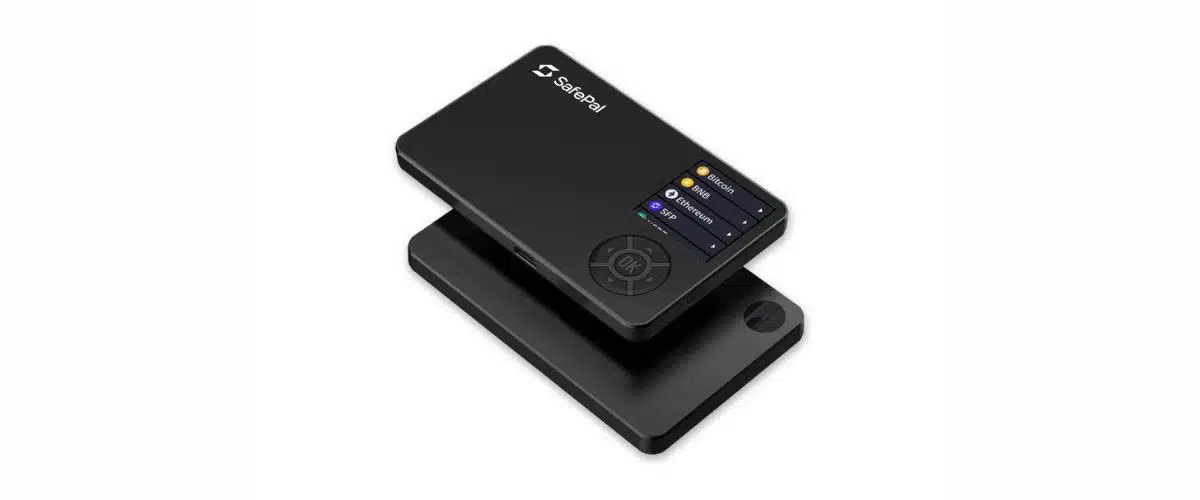
The SafePal S1 is a budget-friendly yet highly secure crypto hardware wallet designed for complete self-custody. Fully air-gapped with no Bluetooth, WiFi, NFC, or USB connection, it ensures your private keys stay completely offline.
Despite its lightweight, credit-card-sized design, the SafePal S1 supports 200+ blockchains and unlimited tokens, making it one of the most versatile cold wallets available. Priced at just $49.99, it’s an excellent choice for beginners and seasoned investors alike.
Key Features
- EAL 6+ secure element with true random number generator
- 100% air-gapped signing – no Bluetooth, WiFi, NFC, or USB
- Self-destruct mechanism to prevent tampering attacks
- Supports 200+ blockchains and unlimited tokens (with firmware upgrades)
- 1.3″ IPS screen with QR-code scanning camera
- Multi-platform support (iOS, Android, SafePal app integration)
- In-app exchanges and banking gateway for convenience
- 400mAh rechargeable battery (up to 20 days of use)
- Portable design – same size as a credit card
- Comes with 1-year warranty and 24/7 customer support
Pros and Cons
Pros:
- Affordable price point ($49.99)
- Fully offline with air-gapped security
- Lightweight, credit-card-sized design
- Supports a huge range of coins and tokens
- Built-in QR scanner for secure transactions
- Strong self-destruct mechanism against tampering
Cons:
- No Bluetooth or USB connection (less convenient for some users)
- Smaller screen compared to premium models
Best For
The SafePal S1 is best for beginners or budget-conscious investors who want a secure, portable, and affordable cold wallet. It’s also great for travelers since it’s small, lightweight, and fully offline.
👉 Take control of your digital assets with the SafePal S1 — a secure, air-gapped, and affordable hardware wallet trusted by thousands of crypto investors. At just $49.99, it’s one of the best entry-level cold wallets for 2026.
4. Keystone 3 Pro
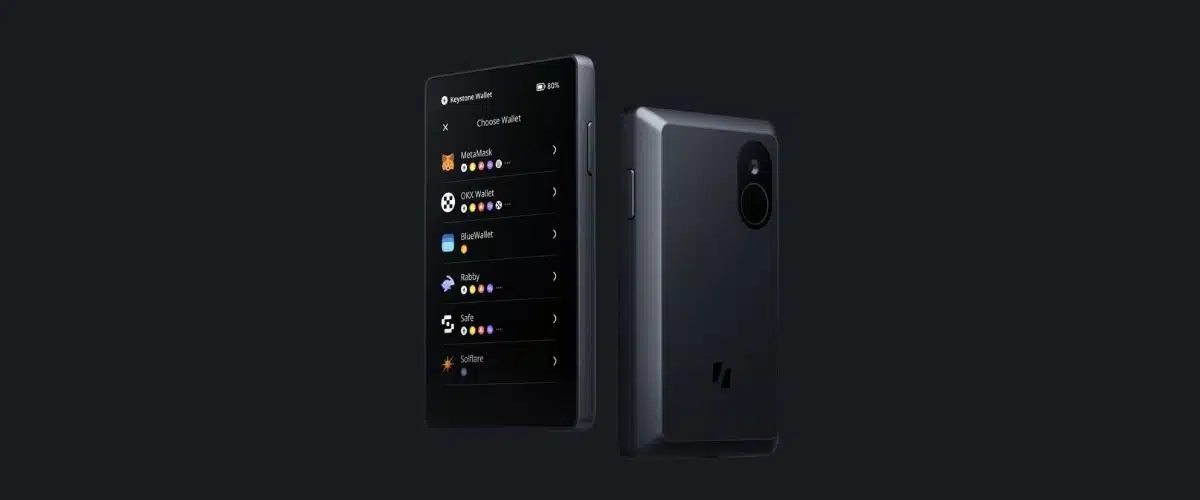
The Keystone 3 Pro is a top-tier crypto hardware wallet built for ultra-secure cold storage. It’s the only wallet featuring three independent security chips combined with full air-gapped operation—meaning there’s no USB, Bluetooth, or Wi-Fi involved. Your private keys remain completely offline, giving you maximum protection. It also comes with a replacement guarantee: if the device fails, you get a brand-new one, not a potentially compromised repair.
Key Features
- Triple security chips for layered defense
- Air-Gapped Mode: QR-code only transactions, no external connections
- 4″ color touchscreen (480 × 800 pixels) for clear interaction
- Supports multi-seed phrases (up to 3) for managing multiple accounts
- EAL6+ certification—institution-grade security
- MicroSD-based firmware updates for secure offline upgrades
- Compatible with MetaMask and other software wallets (fully open-source)
- Portable yet robust design, sized at ~62 × 104 × 12 mm and ~103 g
Pros and Cons
Pros:
- Triple-chip design offers industry-leading security
- Fully offline transactions with Air-Gapped QR scanning
- No connectivity risks (no WiFi, no USB, no Bluetooth)
- Large, user-friendly touchscreen
- Replacement policy ensures no private key compromise
- Strong support for multi-chain and DeFi users
Cons:
- Higher cost compared to entry-level wallets
- Bulkier than smaller cold wallets
- Slightly steeper learning curve for new users due to advanced features
Best For
The Keystone 3 Pro is best for advanced investors and high-value crypto holders who prioritize maximum security. If you manage large Bitcoin or Ethereum holdings, DeFi assets, or NFTs, this wallet is a powerhouse built for serious protection.
👉 Secure your portfolio with the Keystone 3 Pro — the only hardware wallet with three security chips and Air-Gapped Mode. Built for maximum protection, it’s the ultimate choice for investors who refuse to compromise on security.
5. ELLIPAL Titan 2.0

The ELLIPAL Titan 2.0 is a fully air-gapped cold wallet built for maximum crypto security. Unlike traditional wallets with USB or Bluetooth, it uses QR-code based transactions, keeping your private keys 100% offline.
With a 4-inch full touchscreen, a tamper-proof full metal body, and support for over 10,000 coins and NFTs, it’s one of the most user-friendly yet uncompromisingly secure wallets available. Forbes recommended it from 2022 to 2024 as a top-tier cold storage solution.
Key Features
- Air-Gapped & Decentralized: No WiFi, Bluetooth, USB, or networks; QR-code scanning only
- Supports 10,000+ coins and NFTs, including Bitcoin, Ethereum, Solana, XRP, and ERC-20 tokens
- 4-inch full touchscreen for clear, secure transaction confirmation
- Unlimited coin storage with support for 5 seed phrases and 5 private key accounts
- PIN & passphrase protection with gesture and numeric entry
- Secret secondary wallet option for extra privacy
- Full metal-sealed body for tamper resistance and supply-chain attack protection
- PCI-level self-destruct mechanism erases data if tampering is detected
- Integrated with ELLIPAL app for swaps, staking, and portfolio management
- Supports 40+ blockchains and 50+ stablecoins
Pros and Cons
Pros:
- Fully air-gapped cold storage (no internet exposure)
- Large 4-inch touchscreen with clear signing details
- Durable metal build, tamper-proof, travel-safe
- Secret secondary wallet adds another security layer
- Manages NFTs, stablecoins, and DeFi tokens easily
- Forbes recommended for multiple years
Cons:
- Heavier and bulkier than plastic wallets
- No Bluetooth or USB (less convenient for some users)
- Higher cost compared to entry-level wallets
Best For
The ELLIPAL Titan 2.0 is best for security-focused investors and NFT/DeFi users who want a sleek, tamper-proof device that stays 100% offline. Perfect if you value maximum protection, large-screen usability, and multi-asset support.
👉 Keep your crypto untouchable with the ELLIPAL Titan 2.0 Cold Wallet. With its air-gapped design, 4-inch touchscreen, and metal-sealed body, it’s the ultimate choice for investors who want absolute peace of mind while managing Bitcoin, Ethereum, NFTs, and more.
Best Hardware Wallet for Crypto Beginners
If you’re just starting out, keep it simple. You don’t need to spend $300. You just need a safe, easy-to-use wallet.
The Ledger Nano S Plus is my go-to pick. It’s under $100, supports all major coins, and has tons of tutorials online. I bought one for my cousin when he got into Bitcoin. He set it up in 10 minutes.
The Trezor One is another solid pick. It’s not flashy, but it works. It also has beginner-friendly software and guides.
My advice: start small. Get a wallet that supports your top coins like Bitcoin and Ethereum. Learn the basics: setting up a PIN, writing down your recovery seed phrase, and testing a small transaction first.
Advanced Hardware Wallets for Serious Investors
Now, if you’re juggling NFTs, DeFi tokens, and multiple blockchains, you need more muscle. That’s where advanced wallets come in.
The Keystone Pro is amazing for security. It’s air-gapped, which means no USB or Bluetooth. You scan QR codes instead. That makes it almost unhackable.
The Ellipal Titan is also solid. I love its touchscreen. It feels modern and smooth. Plus, it supports staking and DeFi.
High-value investors need advanced features:
- Multi-chain support (BTC, ETH, Solana, NFTs, DeFi)
- Extra security (fingerprint, passphrase)
- Open-source firmware for transparency
I’d say if your portfolio is worth six figures, spend extra on an advanced cold wallet. Peace of mind is priceless.
Comparing Hardware Wallets vs Software Wallets
People always ask me: why not just use MetaMask or Trust Wallet? I get it — software wallets are convenient. But they’re not safe for big money.
Here’s the truth:
- Software wallets = convenient, but exposed.
- Hardware wallets = secure, but less flexible.
What I do: I keep a small amount of crypto in a hot wallet for trading and DeFi. The rest stays locked in my cold storage wallet. That way, even if MetaMask gets hacked, my Bitcoin and Ethereum remain untouchable.
How to Safely Set Up and Use a Crypto Hardware Wallet
Setup is easy, but mistakes can cost you everything. Trust me, I’ve been there.
Tips I live by:
- Only buy from official websites. Fake wallets exist.
- Write down your recovery seed phrase on paper. Never save it online.
- Store your backup in a safe place. Fireproof safe if possible.
- Test your wallet with a small Bitcoin or Ethereum transfer before going big.
- Stay alert for phishing. Scammers love fake “Ledger” emails.
One time I ignored an update notice and got confused with a fake link. Luckily, I caught it before entering my PIN. Always double-check.
Conclusion
Choosing the best hardware wallet depends on where you are in your crypto journey. Beginners should stick with Ledger Nano S Plus or Trezor One. Investors with big portfolios should check out Keystone Pro or Ellipal Titan.
Remember: your coins are only as safe as your setup. Write down your recovery seed phrase, buy only from official sites, and never cut corners with security.
So, which one’s your pick? Drop your favorite crypto hardware wallet in the comments. I’d love to hear what works for you. Let’s help each other keep our crypto safe in 2026!