Did you know that over 420 million people worldwide own cryptocurrency, yet many still don’t understand what it actually is? If you’re wondering “what is cryptocurrency” and how this digital revolution is reshaping finance, you’re not alone!
Cryptocurrency has evolved from a niche technology experiment to a trillion-dollar market that’s capturing the attention of investors, businesses, and governments worldwide. But beneath all the hype and headlines lies a fascinating technology that could fundamentally change how we think about money.
In this comprehensive guide, we’ll demystify cryptocurrency, explore how it works, and help you understand why this digital innovation matters for your financial future.
What Is Cryptocurrency?
Cryptocurrency is a type of digital or virtual currency that uses cryptography to secure transactions. Unlike traditional currencies issued by governments (fiat money), cryptocurrencies operate on decentralized systems. This means there’s no central authority—like a bank or government—controlling or regulating it.
Instead, cryptocurrencies use blockchain technology, a distributed ledger enforced by a global network of computers. This system records all transactions publicly, ensuring transparency and trust among users without needing a middleman.
The word “cryptocurrency” combines “crypto,” referring to encryption techniques, and “currency,” indicating its role as a medium of exchange. These encryption methods secure the network, verify transactions, and control the creation of new units.
Key Features:
- Digital-Only: No physical coins or bills—everything is online.
- Decentralized: No central bank or single administrator.
- Peer-to-Peer: Allows direct transactions between users, anywhere in the world.
- Encrypted & Secure: Uses advanced cryptography to prevent fraud and hacks.
- Transparent: All transactions are recorded on a public ledger (the blockchain).
- Stored in Wallets: Digital wallets hold your private keys and let you send or receive crypto.
Bitcoin, created in 2009 by the pseudonymous Satoshi Nakamoto, was the first and still most well-known cryptocurrency. Since then, thousands of digital coins—known as altcoins—have emerged.

Cryptocurrency isn’t just money for the internet. It’s part of a larger technological movement aiming to redefine how value is exchanged, secured, and stored globally.
Also Read: NFTs vs Cryptocurrency
How Does Cryptocurrency Work?
At the heart of cryptocurrency lies a powerful and transparent technology called blockchain—a distributed digital ledger that records every transaction made using a specific cryptocurrency. This ledger is maintained across a network of computers (called nodes), ensuring that no single party has control, and no data can be altered without consensus.

Blockchain Technology
Each transaction is grouped into a block, which is then added to a chronological chain of previous transactions—hence the term “blockchain.” Every block is:
- Time-stamped
- Cryptographically secured
- Verified by multiple network participants
Once recorded, transactions cannot be changed, creating a permanent and tamper-proof public history.
Cryptocurrency Mining
New coins are created through a process called mining, which involves solving complex mathematical problems using powerful computers. When a miner successfully solves a problem:
- A new block is added to the blockchain
- The miner is rewarded with cryptocurrency
- The network confirms and finalizes the transaction
This process not only mints new coins but also helps maintain the integrity and security of the entire network.
Ownership Through Private Keys
Unlike traditional assets, owning cryptocurrency doesn’t mean you hold something physical. What you actually own is a private key—a unique, encrypted code that gives you control over a specific amount of crypto stored on the blockchain. Using this private key:
- You can send or receive cryptocurrency
- Prove ownership of your digital funds
- Access your digital wallet
Lose your private key, and your access to that cryptocurrency is gone—forever.
Buying and Using Crypto
Besides mining, users can:
- Buy crypto from exchanges or brokers
- Send and receive payments instantly
- Use it to purchase goods and services online
Cryptocurrency operates independently of banks, so transactions are typically faster, cheaper, and not restricted by national borders.
A Self-Sustaining, Peer-Verified System
Every transaction on the network is verified by users (miners or validators) without the need for third-party intermediaries. This decentralized system removes barriers and reduces costs, creating a truly peer-to-peer financial network.
Also Read: Blockchain vs Cryptocurrency
A Brief History of Cryptocurrency (From Bitcoin to Today)
The cryptocurrency story begins in 2009 with the launch of Bitcoin, created by the mysterious Satoshi Nakamoto – widely believed to be a pseudonym for an individual or group whose precise identity remains unknown. Bitcoin emerged in the aftermath of the 2008 financial crisis, when trust in traditional financial institutions was at an all-time low.
Satoshi’s revolutionary idea was to create a digital currency that could operate without intermediaries like banks or governments. The Bitcoin whitepaper, published in 2008, outlined a peer-to-peer electronic cash system that would allow online payments to be sent directly from one party to another without going through a financial institution.

In the early days, Bitcoin was primarily used by tech enthusiasts and those interested in the underlying technology. The first real-world Bitcoin transaction occurred in 2010 when programmer Laszlo Hanyecz famously paid 10,000 Bitcoin for two Papa John’s pizzas – a transaction now worth hundreds of millions of dollars!
The cryptocurrency landscape began expanding significantly around 2011-2012 with the emergence of alternative cryptocurrencies, or “altcoins.” Litecoin launched in 2011, offering faster transaction times than Bitcoin. Ripple followed in 2012, focusing on facilitating cross-border payments for banks and financial institutions.
The real game-changer came in 2015 with the launch of Ethereum, which introduced smart contracts – self-executing contracts with terms directly written into code. This innovation opened up possibilities beyond simple digital payments, enabling decentralized applications and what we now know as decentralized finance (DeFi).
From 2017 onwards, cryptocurrency has experienced explosive growth, mainstream adoption, and increasing institutional interest. Major companies like Tesla, PayPal, and Square have embraced cryptocurrency, while countries like El Salvador have adopted Bitcoin as legal tender. Today, there are thousands of different cryptocurrencies with a combined market capitalization that has reached over $3 trillion at its peak.
Popular Types of Cryptocurrencies

Since the launch of Bitcoin in 2009, thousands of cryptocurrencies have been developed—each with unique features, use cases, and underlying technologies. While Bitcoin remains the most widely known and used, many “altcoins” (alternative coins) have emerged to solve different problems or improve upon Bitcoin’s limitations.
Here are some of the most well-known cryptocurrencies in the market today:
Bitcoin
Bitcoin continues to dominate as the original cryptocurrency and store of digital value. Often called “digital gold,” Bitcoin has a limited supply of 21 million coins, making it scarce by design. It remains the most commonly traded cryptocurrency and serves as a gateway for many people entering the crypto space.
Ethereum
Ethereum has established itself as the second-largest cryptocurrency by market capitalization. What sets Ethereum apart is its blockchain platform that enables smart contracts and decentralized applications (dApps). Its native currency, Ether (ETH), fuels transactions and computational services on the Ethereum network. This functionality has made Ethereum the foundation for much of the decentralized finance movement.
Litecoin
Litecoin was created as the “silver to Bitcoin’s gold.” It offers faster transaction processing times and lower fees than Bitcoin, making it more practical for everyday transactions. Litecoin has consistently remained among the top cryptocurrencies by market cap and serves as a testing ground for new features that may later be implemented in Bitcoin.
Ripple (XRP)
Ripple (XRP) takes a different approach by focusing on facilitating cross-border payments for banks and financial institutions. Unlike other cryptocurrencies that aim to replace traditional banking, Ripple works with banks to improve existing payment systems. This has led to partnerships with major financial institutions worldwide.
Beyond these major players, the cryptocurrency market includes thousands of altcoins, each trying to solve specific problems or serve particular use cases. Some focus on privacy (like Monero), others on fast and cheap transactions (like Stellar), and some on creating entire blockchain ecosystems (like Cardano and Solana).
The diversity in the cryptocurrency market reflects the experimental nature of this technology. While Bitcoin proved that digital currency was possible, subsequent cryptocurrencies have explored what else blockchain technology could achieve beyond simple peer-to-peer payments.
Altcoins and Stablecoins
Besides the major players, there are thousands of other cryptocurrencies serving various purposes:
- Cardano (ADA): Focuses on sustainability and academic research
- Polkadot (DOT): Aims to unify different blockchains
- Tether (USDT) and USD Coin (USDC): Stablecoins pegged to fiat currencies to reduce volatility
- Dogecoin (DOGE): Meme-based coin that gained massive popularity
Each altcoin brings something different to the table—be it speed, privacy, scalability, or utility.
How to Buy Cryptocurrency?
Buying cryptocurrency might sound complex, but it’s more accessible than ever—especially with a growing number of user-friendly platforms and apps. Whether you’re a beginner or a seasoned investor, understanding the step-by-step process can help you buy crypto securely and confidently.
Step 1: Choose a Platform
There are two main types of platforms to buy cryptocurrency:
✅ Traditional Brokers
- Online platforms that offer both crypto and traditional assets like stocks, ETFs, and bonds
- Examples: Robinhood, eToro, SoFi
- Pros: Easy for beginners, integrated investment tools
- Cons: Limited crypto offerings and fewer advanced features
🔁 Cryptocurrency Exchanges
- Specialized platforms for buying, selling, and trading crypto
- Examples: Coinbase, Binance, Kraken
- Pros: Wide selection of cryptocurrencies, built-in wallets, real-time trading
- Cons: May charge trading fees; interface can be complex for new users
Tip: When choosing a platform, consider the available coins, fees, security features, payment methods, and customer support.
Step 2: Fund Your Account
Once you’ve picked a platform, you’ll need to deposit money into your account to make your first purchase.
Common funding options include:
- Bank transfers (ACH or wire)
- Debit or credit cards (use caution—credit purchases can be expensive and risky)
- Digital wallets or payment apps (e.g., PayPal, Apple Pay on some platforms)
Watch out for fees:
- Deposit and withdrawal fees
- Trading or transaction fees
- Credit card processing fees (can be 3–5%)
Note: Some credit card providers block crypto transactions due to risk concerns.
Step 3: Place an Order
Now it’s time to buy your cryptocurrency.
You’ll typically:
- Choose “Buy” on your platform
- Select the cryptocurrency (e.g., BTC, ETH)
- Enter the amount you want to purchase (in dollars or crypto units)
- Choose the type of order (market or limit)
- Confirm the transaction
Your purchased crypto will then be added to your account’s wallet or balance.
Alternative Ways to Invest in Crypto
Beyond direct purchases, here are other ways to get exposure to cryptocurrency:
- Bitcoin Trusts: Publicly traded funds that hold crypto (e.g., Grayscale Bitcoin Trust)
- Crypto ETFs and Mutual Funds: Investment vehicles that track crypto performance
- Blockchain Stocks/ETFs: Invest in companies building blockchain infrastructure
- Payment Platforms: Services like PayPal, Venmo, and Cash App allow small-scale crypto buying
Each method has different risk levels, fees, and accessibility, so match your choice to your investment goals.
How to Store Cryptocurrency Safely
Once you’ve purchased cryptocurrency, the next critical step is secure storage of cryptocurrency. Since crypto is digital and decentralized, there’s no bank to call if you lose access. You are fully responsible for protecting your assets, and how you store them can make the difference between peace of mind and a costly mistake.
What Is a Crypto Wallet?
A crypto wallet is a digital tool that stores the private keys you need to access and manage your cryptocurrency. It doesn’t actually store your coins (those live on the blockchain)—instead, it stores the keys that let you move your coins from one address to another.
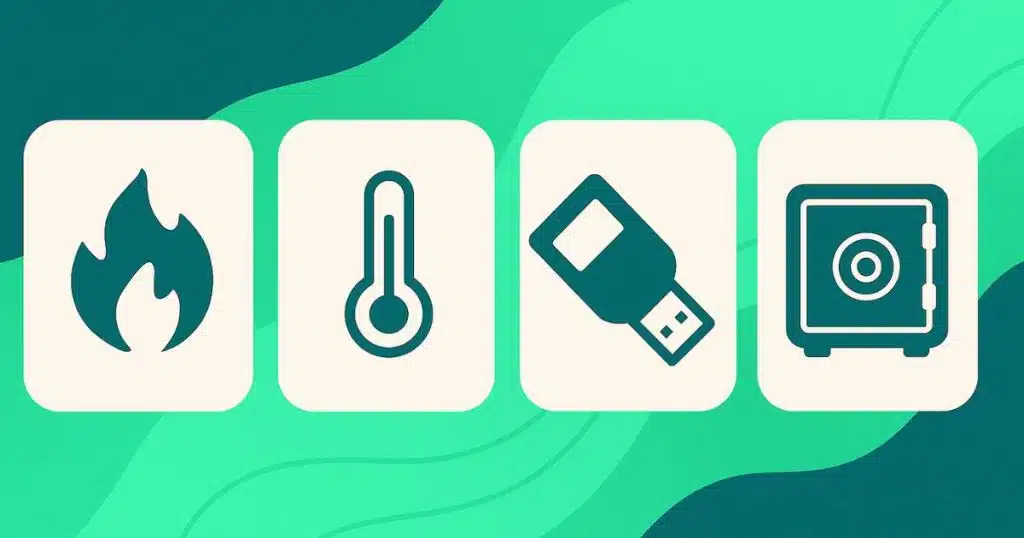
There are two main categories of wallets: hot wallets and cold wallets
Hot Wallets (Online Storage)
Hot wallets are connected to the internet and often built into crypto platforms or mobile apps.
Pros:
- Convenient for frequent trading and transfers
- Easy access via smartphone or browser
- Usually free to use
Cons:
- More vulnerable to hacks, phishing, and malware
- Not ideal for long-term storage of large holdings
Examples:
- Exchange wallets (e.g., Coinbase, Binance)
- Mobile wallets (e.g., Trust Wallet, MetaMask)
Cold Wallets (Offline Storage)
Cold wallets are physical devices or offline software that store your private keys without being connected to the internet.
Pros:
- Extremely secure—safe from online threats
- Ideal for storing large amounts of crypto for the long term
Cons:
- Cost (hardware wallets typically range from $50 to $200)
- Less convenient for quick transactions
Examples:
- Hardware wallets: Ledger Nano X, Trezor
- Paper wallets: Printed QR codes or seed phrases stored physically
Exchange Storage vs. Personal Wallets
Many cryptocurrency exchanges offer wallet services, making it easy to store your crypto directly on the platform where you bought it. While convenient, this approach means the exchange controls your private keys, and your cryptocurrency could be at risk if the exchange is hacked or goes out of business.
Personal wallets give you full control over your private keys and cryptocurrency. However, this also means you’re fully responsible for security. If you lose your private keys or forget your wallet password, your cryptocurrency may be gone forever.
Custodial vs. Non-Custodial Wallets
- Custodial Wallets: Managed by exchanges or third-party services (you don’t control the private key)
- Easier for beginners, but less control and greater risk if the provider is hacked
- Non-Custodial Wallets: You control the private key (and your funds)
- Greater security, but also greater responsibility—lose your key, lose your crypto
Key Safety Tips
- Use two-factor authentication (2FA) on all wallet apps
- Never share your seed phrase or private keys
- Backup your wallet and store it in multiple secure places
- Be cautious of fake wallet apps—only download from verified sources
Keeping your cryptocurrency safe is just as important as buying it. If you’re serious about crypto, investing in a secure storage method is a must.
What Can You Buy with Cryptocurrency? (Real-World Usage)
While cryptocurrency was originally envisioned as a medium for daily transactions, its adoption for everyday purchases has been gradual but steady. Today, you can buy a surprising variety of goods and services with digital currency.
Technology and E-commerce
Many technology companies now accept cryptocurrency payments. Microsoft allows Bitcoin payments for Xbox games and Windows apps. AT&T became one of the first major mobile carriers to accept cryptocurrency for bill payments. Newegg, a popular electronics retailer, has been accepting Bitcoin since 2014.
E-commerce platforms have also embraced cryptocurrency. Overstock was one of the early pioneers, accepting Bitcoin since 2014. Shopify enables its merchants to accept cryptocurrency payments, while some Rakuten locations accept digital currency. Even Home Depot has experimented with cryptocurrency payments through third-party processors.
Many tech-savvy retailers accept cryptocurrency, especially Bitcoin and Ethereum. These include:
- Newegg.com – Electronics and hardware
- Microsoft – Xbox and Microsoft Store credits
- Overstock – One of the first major retailers to accept Bitcoin
- Shopify stores – Individual merchants can enable crypto payments
- Rakuten & Home Depot – Through gift card integrations or crypto platforms
Luxury Goods and High-End Purchases
The luxury market has shown particular interest in cryptocurrency payments. Bitdials, an online luxury retailer, accepts Bitcoin for high-end watches from brands like Rolex and Patek Philippe. Some luxury car dealers now accept cryptocurrency, from Tesla (which has varied its Bitcoin acceptance policy) to various high-end dealerships selling luxury vehicles.
Real estate transactions using cryptocurrency are becoming more common, particularly for high-value properties. Some realty companies specialize in cryptocurrency transactions, though the legal and tax implications can be complex.
Financial Services and Insurance
Swiss insurance company AXA began accepting Bitcoin payments for most insurance products (excluding life insurance due to regulatory issues). Premier Shield Insurance in the United States accepts Bitcoin for home and auto insurance premiums.
Some financial services companies allow cryptocurrency for various payments, though adoption varies significantly by region and regulatory environment.
Using a Crypto Debit Card
Even if a retailer doesn’t accept crypto directly, you can still spend it using a crypto debit card that converts your digital assets into fiat at checkout.
Popular options:
- BitPay Card
- Coinbase Card
- Crypto.com Visa Card
These cards work at any merchant that accepts Visa or Mastercard—so essentially, you can use your crypto almost anywhere.
Everyday Spending Solutions
For retailers that don’t directly accept cryptocurrency, cryptocurrency debit cards offer a solution. Services like BitPay provide debit cards that automatically convert your cryptocurrency to traditional currency at the point of sale, allowing you to spend crypto anywhere regular debit cards are accepted.
Payment processors like PayPal, Venmo, and Cash App now allow users to buy, sell, and in some cases spend cryptocurrency directly through their platforms, making crypto more accessible for everyday transactions.
Cryptocurrency might not be universally accepted yet, but its usability is growing fast. Whether you’re buying electronics or a sports car, digital money is quickly becoming a legitimate payment method for the modern age.
Risks, Scams, and Cryptocurrency Safety
While cryptocurrency offers innovation, freedom, and financial opportunity, it also comes with significant risks. The decentralized nature of crypto—while empowering—also creates space for fraud, theft, and scams, especially for newcomers unfamiliar with how the system works.
Let’s break down the major threats you should be aware of before diving in.
Common Cryptocurrency Scams
Fake Websites
- Scammers build legitimate-looking websites that mimic real crypto exchanges or wallet services
- Often include fake endorsements and “guaranteed returns”
- Victims are tricked into entering wallet details or sending crypto to fraudsters
Ponzi Schemes
- Fraudulent investments where returns for older investors are paid using funds from new ones
- No real product or profits—just manipulation
- BitClub Network, a real-world example, stole over $700 million
“Celebrity” Endorsements
- Scammers impersonate billionaires or public figures on social media
- Promise to double your investment or promote “secret projects”
- Once crypto is sent, it’s gone
Romance Scams
- Fraudsters build online relationships to emotionally manipulate victims
- Eventually convince them to invest in fake crypto platforms
- The FBI reported over $130 million in crypto romance scam losses in one year alone
Phishing Attacks
- Emails, pop-ups, or text messages pretending to be from your wallet or exchange
- Designed to steal your private keys or login credentials
Hacking and Theft
Even legitimate platforms have vulnerabilities:
- Hot wallets (connected to the internet) are frequent targets
- Exchanges like Coincheck and BitGrail suffered massive hacks ($500M+ losses)
- Once crypto is stolen, there’s no central authority to reverse the transaction
Blockchain Is Secure—But Not Invincible
Yes, blockchains are technically secure, using encryption and consensus mechanisms. But:
- User error (losing private keys) can lead to permanent loss
- Some smaller blockchains are more vulnerable to “51% attacks”
- Hackers often exploit weak links—like poor passwords or fake apps—not the blockchain itself
How to Stay Safe
Protect yourself with these smart practices:
- Use 2FA (two-factor authentication) on all crypto accounts
- Avoid clicking unknown links or downloading suspicious apps
- Store your crypto in cold wallets if you’re not actively trading
- Research platforms thoroughly before registering or transferring funds
- Never share your seed phrase or private key—with anyone, ever
- Use reputable security software like Kaspersky Premium to block phishing and malware
Crypto is still evolving, and while it holds great promise, it also attracts bad actors looking to exploit gaps in user knowledge or technology. By staying informed and cautious, you can enjoy the benefits while minimizing the risks.
The Future of Cryptocurrency (Trends and Predictions)
The cryptocurrency landscape continues to evolve rapidly, with several major trends shaping its future development and adoption.
Institutional Adoption and Mainstream Acceptance
Major corporations and financial institutions are increasingly embracing cryptocurrency. Companies like MicroStrategy and Tesla have added Bitcoin to their corporate treasuries. Payment companies like PayPal and Square have integrated cryptocurrency services, while traditional banks are beginning to offer crypto custody and trading services.
This institutional adoption lends credibility to the cryptocurrency market and could lead to more stable prices and wider acceptance. As regulatory frameworks become clearer, more institutions are likely to enter the space.
Central Bank Digital Currencies (CBDCs)
Many central banks are developing their own digital currencies, known as CBDCs. Unlike decentralized cryptocurrencies, CBDCs would be issued and controlled by central banks, combining the efficiency of digital currency with the stability and regulatory oversight of traditional money.
Countries like China have already launched pilot programs for digital yuan, while the Federal Reserve and European Central Bank are researching their own digital currencies. CBDCs could significantly impact the cryptocurrency landscape by providing government-backed alternatives to private digital currencies.
Integration with Traditional Financial Systems
Cryptocurrency is increasingly integrating with traditional financial infrastructure. Banks are developing cryptocurrency custody services, traditional exchanges are adding crypto trading, and payment processors are enabling cryptocurrency payments.
This integration could make cryptocurrency more accessible and user-friendly for mainstream consumers while maintaining the benefits of blockchain technology.
Technological Improvements
Ongoing technological developments aim to address current limitations of cryptocurrency systems. Layer 2 solutions like Bitcoin’s Lightning Network promise faster and cheaper transactions. Ethereum’s transition to proof-of-stake aims to reduce energy consumption while maintaining security.
New consensus mechanisms, improved scalability solutions, and enhanced privacy features continue to emerge, potentially making cryptocurrency more practical for everyday use.
Environmental Considerations
Environmental concerns about cryptocurrency mining, particularly Bitcoin’s energy consumption, are driving innovation in more sustainable blockchain technologies. Proof-of-stake systems use significantly less energy than proof-of-work mining, and renewable energy adoption in mining operations is increasing.
These developments could address one of the major criticisms of cryptocurrency and support broader adoption among environmentally conscious users and institutions.
Tips for Investing in Cryptocurrency Wisely
Cryptocurrency can offer huge rewards, but it also comes with significant risks—especially for beginners. Prices can swing wildly, scams are everywhere, and the market is largely unregulated. But with smart strategies and the right mindset, you can navigate the crypto world with confidence.
Here are some essential tips to help you invest wisely:
1. Research Before You Buy
- Understand the cryptocurrency you’re interested in—its purpose, technology, and community support
- Look into the project’s whitepaper, leadership team, and development activity
- Follow credible sources and avoid hype-driven decisions from social media or celebrity endorsements
2. Choose a Reputable Exchange
- Stick to well-known platforms like Coinbase, Binance, Kraken, or Gemini
- Check for features like regulatory compliance, insurance coverage, and security protocols
- Read user reviews and compare trading fees and withdrawal options
3. Store Your Crypto Securely
- For long-term storage, use a cold wallet (hardware wallet)
- Enable two-factor authentication (2FA) on all exchange and wallet accounts
- Always back up your seed phrases and store them in multiple secure, offline locations
4. Diversify Your Crypto Portfolio
- Don’t invest all your funds in one coin—even Bitcoin is volatile
- Spread your risk across multiple cryptocurrencies with different use cases (e.g., store of value, DeFi, gaming, smart contracts)
- Consider stablecoins as a hedge against volatility
Also Read: Best Crypto Portfolio Tracker: Our Top Picks
5. Expect Volatility—and Don’t Panic
- The crypto market is known for sudden price swings—it’s normal
- Set clear goals (e.g., holding long-term, short-term trading) and stick to them
- Avoid making emotional decisions during crashes or spikes
6. Never Invest More Than You Can Afford to Lose
- Treat crypto as a high-risk investment category
- Allocate only a portion of your portfolio (e.g., 5–10%)
- Make sure your financial essentials (emergency fund, retirement savings) are in place first
7. Learn Continuously and Stay Updated
- Follow trusted voices in the space (CoinDesk, CoinTelegraph, Reddit communities like r/CryptoCurrency)
- Stay aware of new regulations, security breaches, and tech advancements
- Take free online courses to deepen your understanding of blockchain and crypto markets
8. Use Reliable Cybersecurity Tools
- Install comprehensive antivirus software (e.g., Kaspersky, Norton, Bitdefender)
- Beware of phishing emails, fake exchanges, and clone apps
- Regularly update your wallet software and operating system
Smart investing in crypto isn’t about chasing quick profits—it’s about making informed decisions, protecting your assets, and managing risk effectively. With discipline and ongoing education, you can participate in this exciting market while safeguarding your future.
Conclusion
Cryptocurrency is no longer just a buzzword—it’s a technological shift that’s redefining how we store, transfer, and invest money. From Bitcoin’s humble beginnings to a global movement involving smart contracts, decentralized finance, and blockchain innovation, crypto has evolved into a complex but exciting space.
Ready to get started?
If you’re curious about cryptocurrency, the best first step is to learn, research, and start small. Open a wallet, test a trusted exchange, and explore this new financial frontier at your own pace.
👉 The future of money is evolving—will you evolve with it?